
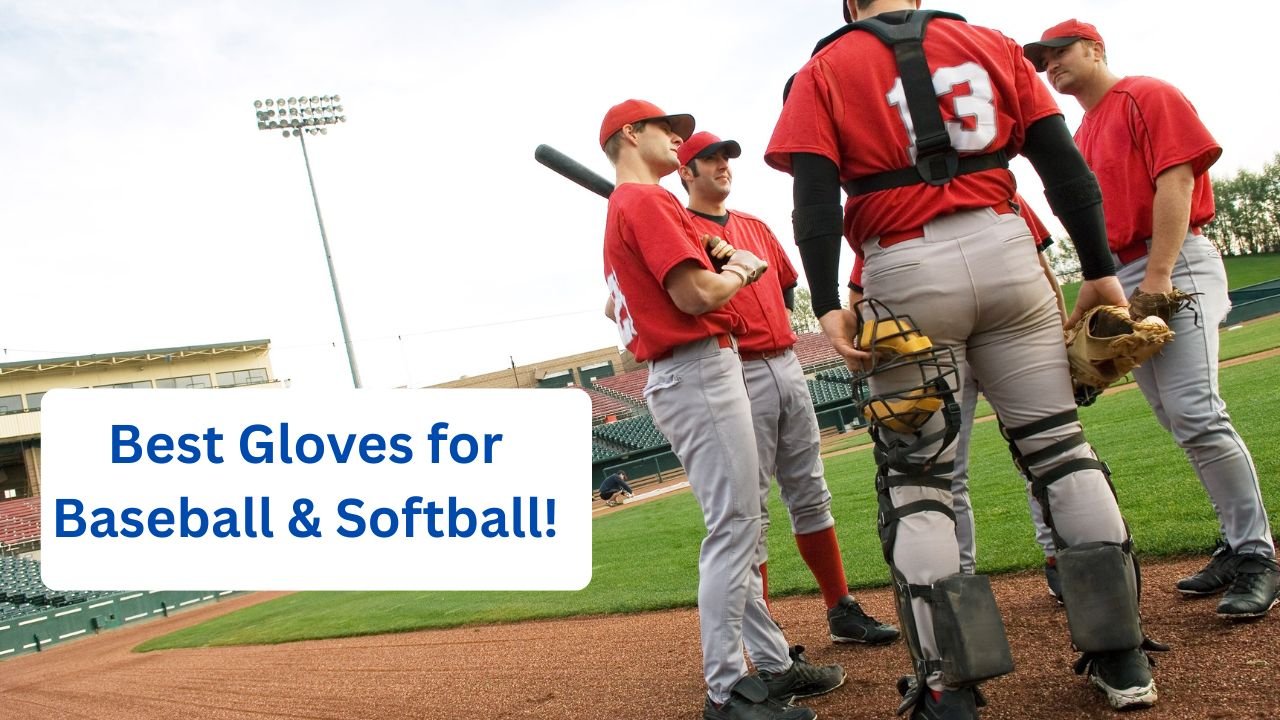
Choosing the right baseball or softball glove can be tricky, especially if you are new to the game. The glove you use can make a big difference in how well you catch, throw, and play. But don’t worry, this simple guide will help you find the perfect glove that fits your hand and your position on the field.
Know the Difference Between Baseball and Softball Gloves
Even though baseball and softball look similar, the gloves are a bit different. Softball gloves are usually bigger because the ball is larger. Baseball gloves are smaller and tighter to give better control when catching smaller balls.
Here’s a quick look at how they differ:
| Type | Ball Size | Glove Size | Pocket Depth |
|---|---|---|---|
| Baseball | Smaller ball | Smaller glove | Shallow pocket |
| Softball | Larger ball | Larger glove | Deep pocket |
Choose the Right Size
Size matters when it comes to gloves. A glove that’s too big or too small can affect your game. For kids, smaller gloves are easier to control. Adults should pick sizes based on their position.
For example, in baseball, infielders often use 10.5 to 11.5 inches, while outfielders go for 12 to 12.75 inches. In softball, infielders might use 11.5 to 12 inches, and outfielders prefer 12.5 to 13 inches.
Always try the glove on before buying. Your fingers should fit snugly, and it should not slip when you move your hand.
Pick the Right Material
Gloves come in different materials like leather, synthetic leather, or mesh. Real leather gloves are strong and last long, but they take time to break in. Synthetic gloves are lighter and cheaper, great for beginners. Mesh gloves are breathable and flexible, making them comfortable for long games.
If you’re just starting, a synthetic glove is a good choice. But if you plan to play seriously, invest in a real leather glove.
Think About Your Position
Each position on the field needs a different glove style. Infielders use smaller gloves for quick catches and throws. Outfielders need bigger gloves to grab high-flying balls. Catchers use thick mitts with extra padding, and first basemen have long gloves to scoop up throws.
Here’s a simple guide:
| Position | Glove Type | Size Range |
|---|---|---|
| Infield | Smaller, shallow pocket | 10.5 – 11.75 in |
| Outfield | Larger, deep pocket | 12 – 13 in |
| Catcher | Padded mitt | 32 – 34 in (circumference) |
| First Base | Long, curved glove | 12 – 13 in |
Knowing your position helps you choose the right glove fast.
Check the Webbing
The web is the part between your thumb and fingers. It helps you catch and hold the ball. There are different types of webs like closed, open, I-web, or H-web.
Infielders often like open webs (I-web or H-web) so they can get the ball out fast. Outfielders prefer closed webs for more support when catching fly balls. Pitchers use closed webs to hide their grip on the ball from batters.
Comfort and Fit
Comfort is key. When you wear the glove, it should feel natural, not stiff. Adjust the straps so it fits snugly. If the glove feels tight at first, don’t worry. Leather gloves loosen up after a few games.
You can also use a glove conditioner to make it softer and easier to break in. Remember, your glove should feel like part of your hand.
Price and Brand
There are many brands out there like Rawlings, Wilson, Mizuno, and Easton. Expensive gloves are made of better leather and last longer, but you can still find great budget options.
If you’re a beginner, you don’t need to spend a lot. A $50-$100 glove works fine. For advanced players, $150-$300 gloves give better quality and comfort.
Break It In
A new glove can feel stiff at first. You need to break it in before using it in a game. Play catch, squeeze a ball inside it, or use glove oil to soften the leather. This helps shape the glove to your hand and makes catching easier.
Take your time breaking it in. The more you use it, the better it feels.
Take Care of Your Glove
Good care keeps your glove in top shape. Store it in a cool, dry place. Don’t leave it in the sun or car, as heat can dry out the leather. Clean it with a soft cloth and use glove oil sometimes to keep it soft.
When the season ends, tie a ball inside the pocket and wrap it with a band to keep its shape.
Conclusion
Choosing the right baseball or softball glove doesn’t have to be hard. Think about your position, hand size, and comfort level. Try a few gloves, see what feels best, and make sure it fits well. With the right glove, you’ll feel more confident, catch better, and enjoy the game even more.
FAQs
What size glove should a beginner use?
Beginners should use a glove that fits snugly, around 10.5-11.5 inches for baseball or 11.5-12.5 inches for softball.
How long does it take to break in a glove?
It usually takes a few weeks of regular use to break in a leather glove properly.
Can I use a baseball glove for softball?
You can, but it’s not ideal. Softball gloves are bigger to fit the larger ball.
How do I clean my glove?
Use a soft cloth to wipe dirt and a little glove oil to keep the leather soft.
How long does a glove last?
With good care, a quality glove can last many seasons.


