
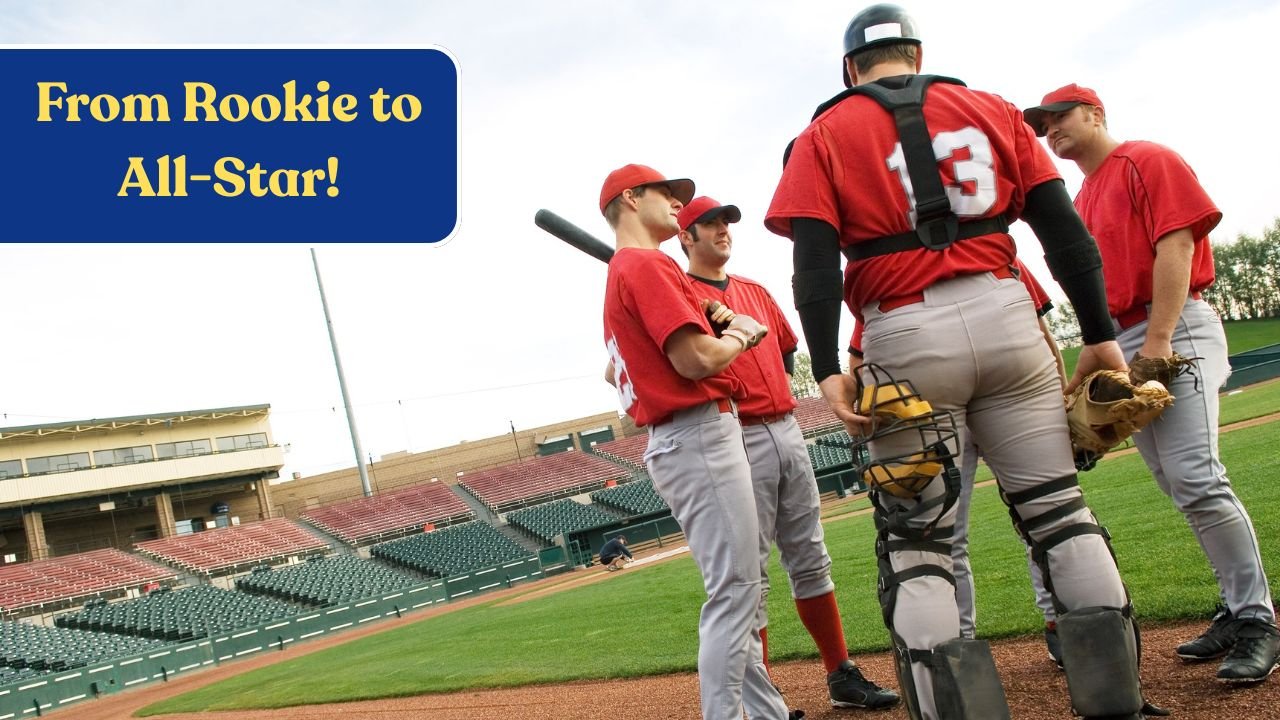
So, your kid wants to play baseball—or maybe you’ve just signed up for a local junior league. That’s awesome! Baseball isn’t just a game; it’s a fun way to learn teamwork, discipline, and confidence. But here’s the thing: becoming an all-star doesn’t happen overnight. It takes the right plan, consistent effort, and a lot of passion. Whether your child is swinging a bat for the first time or dreaming of home runs, this guide will walk you through a simple, step-by-step baseball development plan designed for junior players.
Understanding the Basics: Building a Strong Foundation
Every great baseball player starts with the basics. Before hitting home runs or making fancy plays, it’s all about learning the right fundamentals.
Here’s what beginners should focus on first:
| Skill Area | Key Focus | Practice Tip |
| Batting | Grip, stance, and swing mechanics | Practice hitting off a tee before moving to live pitches |
| Throwing | Arm position and accuracy | Play simple catch games regularly |
| Catching | Hand-eye coordination | Use soft baseballs or tennis balls for safety |
| Running | Speed and direction | Include fun relay races during practice |
Keep it light and fun. Kids learn best when they’re enjoying themselves. Encourage small wins—like making a solid catch or hitting the ball cleanly. Confidence is the real secret weapon at this stage.
Skill Development: From Rookie to Confident Player
Once the basics feel comfortable, it’s time to level up. This stage is about developing consistency and control.
Batting Practice:
Introduce live pitching and different pitch speeds. Teach how to read the ball early and adjust the swing. A good drill? Set up a target zone for where the player should aim to hit.
Fielding Fundamentals:
Start practicing grounders, pop flies, and different field positions. Rotate kids around so they learn what each position does. It’s not just about catching—it’s about decision-making, like knowing when to throw to first base or home plate.
Throwing Accuracy:
At this stage, work on arm strength but avoid overdoing it. Too much throwing can cause strain. Warm-ups and stretches are crucial here.
The Mental Game: Developing Focus and Confidence
Baseball isn’t just physical—it’s mental. Kids who can stay calm under pressure often shine the brightest.
Teach players how to handle mistakes. A missed catch or a strikeout isn’t failure—it’s feedback. Help them understand that every pro player has bad games. Encourage positive self-talk like, “I’ll get the next one.”
Also, talk about teamwork. Baseball isn’t a solo sport; it’s about trusting teammates. Learning how to communicate on the field—calling for a ball, backing each other up—can make all the difference.
Fitness and Conditioning for Young Players
You don’t need a fancy gym to build baseball strength. Focus on exercises that improve flexibility, speed, and endurance.
| Exercise Type | Example | Benefit |
| Agility Drills | Ladder drills, cone runs | Improves quick foot movement |
| Strength Training | Bodyweight squats, push-ups | Builds stability and balance |
| Flexibility | Stretching or yoga | Reduces injury risk |
| Endurance | Light jogging or bike rides | Boosts overall fitness |
Make workouts fun—think obstacle courses or team challenges. The goal is to keep kids active and smiling.
Advanced Techniques: Becoming a Smart Player
As players grow, it’s time to introduce strategy. Baseball is often called a “thinking man’s game” for a reason.
Teach situational awareness: What should the player do when there’s a runner on second? When should they steal a base? These lessons help players think fast and make smart moves during real games.
Another big skill: learning to read opponents. Recognizing a pitcher’s habits or predicting where a batter might hit can take a player from good to great.
Encourage players to watch pro games and analyze what happens. It’s like getting a masterclass from the best in the world.
Nutrition and Rest: The Hidden Game-Changers
You can’t perform your best on junk food and no sleep. A balanced diet fuels strong bodies and sharp minds.
Simple Nutrition Tips:
- Eat plenty of fruits, veggies, and lean proteins.
- Drink water often—hydration keeps muscles healthy.
- Avoid heavy snacks before games; go for light energy foods like bananas or granola bars.
And let’s not forget rest. Kids need time to recover. Good sleep helps their muscles grow and their minds stay focused.
Setting Goals and Tracking Progress
Setting goals keeps young players motivated. These can be simple—like “make ten clean catches this week” or “improve throwing distance.”
Keep a progress chart at home or during practice. Celebrate milestones, even small ones. Every achievement builds momentum toward becoming an all-star.
| Goal Type | Example | Reward |
| Short-Term | Improve batting average | Extra practice game |
| Long-Term | Make the all-star team | Special team event |
| Personal | Be a supportive teammate | Recognition at end of season |
Keeping It Fun and Positive
At the end of the day, baseball should always be fun. Kids stay in sports longer when they love what they’re doing. Mix up drills with games and friendly competitions. Celebrate effort, not just results.
Remember, every major leaguer started somewhere small—maybe in a dusty park or a local field just like yours. What matters most isn’t how fast they get there, but how much they grow along the way.
Conclusion
Developing a junior baseball player from beginner to all-star is a journey of patience, practice, and passion. It’s not just about skill—it’s about building character, teamwork, and confidence. With the right plan, positive support, and a lot of fun, any young player can swing for the stars and hit it big.
FAQs
What’s the best age to start baseball?
Kids can start as early as 5 or 6, focusing on fun and basic skills first.
How often should junior players practice?
Two to three times a week is great, with rest days in between.
What’s the most important skill to learn first?
Catching and throwing—everything else builds on those.
How can I help my child stay confident?
Focus on effort, not perfection. Praise small improvements.
Are expensive gear and lessons necessary?
Not at all. Consistent practice and positive coaching matter more than fancy equipment.


